Tracing Prize Pool Pathways from Seeding Mechanisms to Event Distributions in Britain's Slot Regulations
Paul Meier · Sep 25, 2026
Tracing Prize Pool Pathways from Seeding Mechanisms to Event Distributions in Britain's Slot Regulations
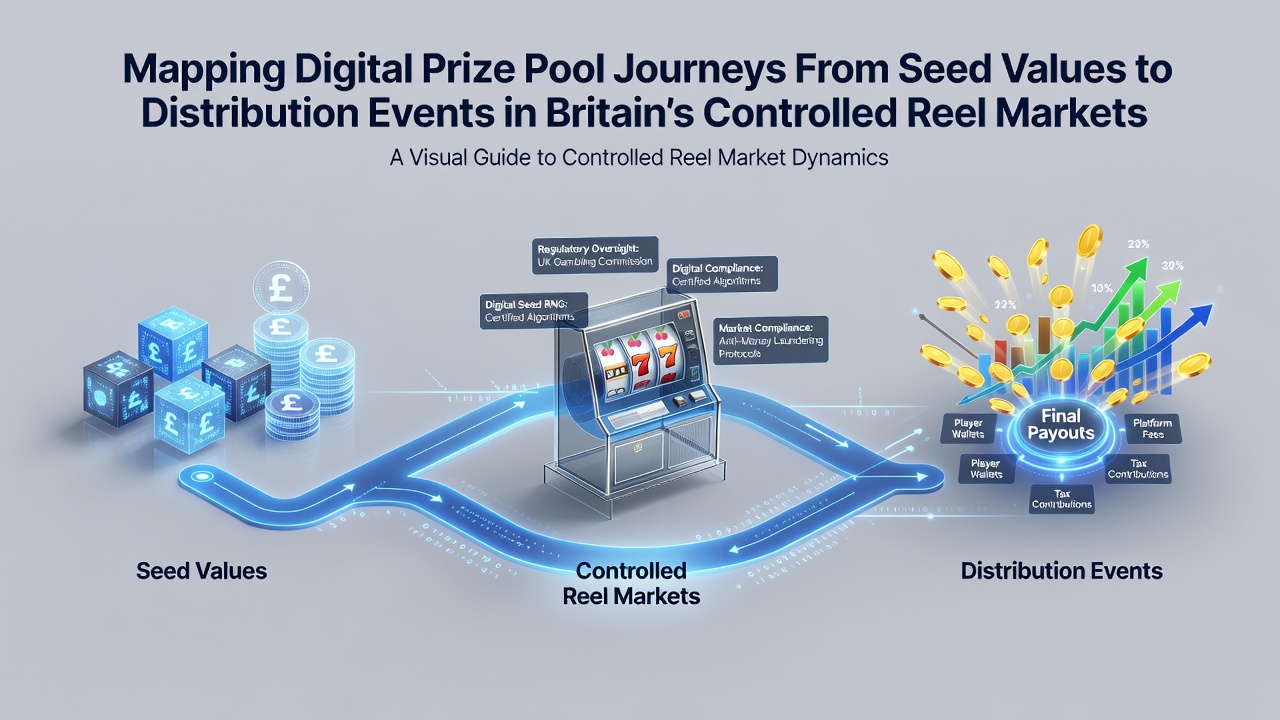
Digital prize pools in Britain's controlled reel markets follow structured pathways that begin with initial seed values and progress through incremental contributions before reaching distribution events, and these systems operate under strict regulatory frameworks that dictate how funds accumulate and release. Operators set seed values at predetermined levels for progressive jackpots, which establish the baseline amount before player bets begin adding percentages to the pool, while data tracking tools monitor every stage from the starting figure through to the moment a qualifying spin triggers a payout.
Seed Value Establishment and Initial Pool Setup
Seed values represent the starting capital injected into progressive jackpot systems, and these amounts vary depending on game type, network size, and operator strategy, yet they remain subject to approval processes that ensure compliance with market rules. In many cases a single machine or linked network receives a seed ranging from several thousand pounds upward, after which contributions from each wager feed directly into the pool at rates typically between one and three percent of the bet. Observers note that this setup creates a transparent ledger where regulators and system providers can verify the journey of funds from day one, and September 2026 saw updated reporting standards that required more granular breakdowns of seed allocations across multi-site networks.
Those who manage these systems often rely on automated software to calculate seed adjustments based on historical payout frequencies, which helps maintain balance between player engagement and financial sustainability, while external audits confirm that no deviations occur outside approved parameters. Data from industry monitoring platforms shows consistent patterns where lower seed values attract quicker accumulation cycles in high-volume locations, whereas higher seeds extend the timeline before distribution events occur.
Contribution Mechanisms and Growth Tracking
Once seeded, prize pools grow through mandatory contributions tied to every eligible spin, and these increments flow into centralized servers that aggregate totals across linked machines throughout licensed venues. Software platforms log each contribution in real time, creating detailed timelines that map how small percentages compound into substantial sums, and this process continues uninterrupted until a player hits the required combination that initiates distribution. Researchers have documented cases where pools reached distribution thresholds within weeks in busy urban sites, yet rural networks sometimes required months of steady contributions before events triggered.
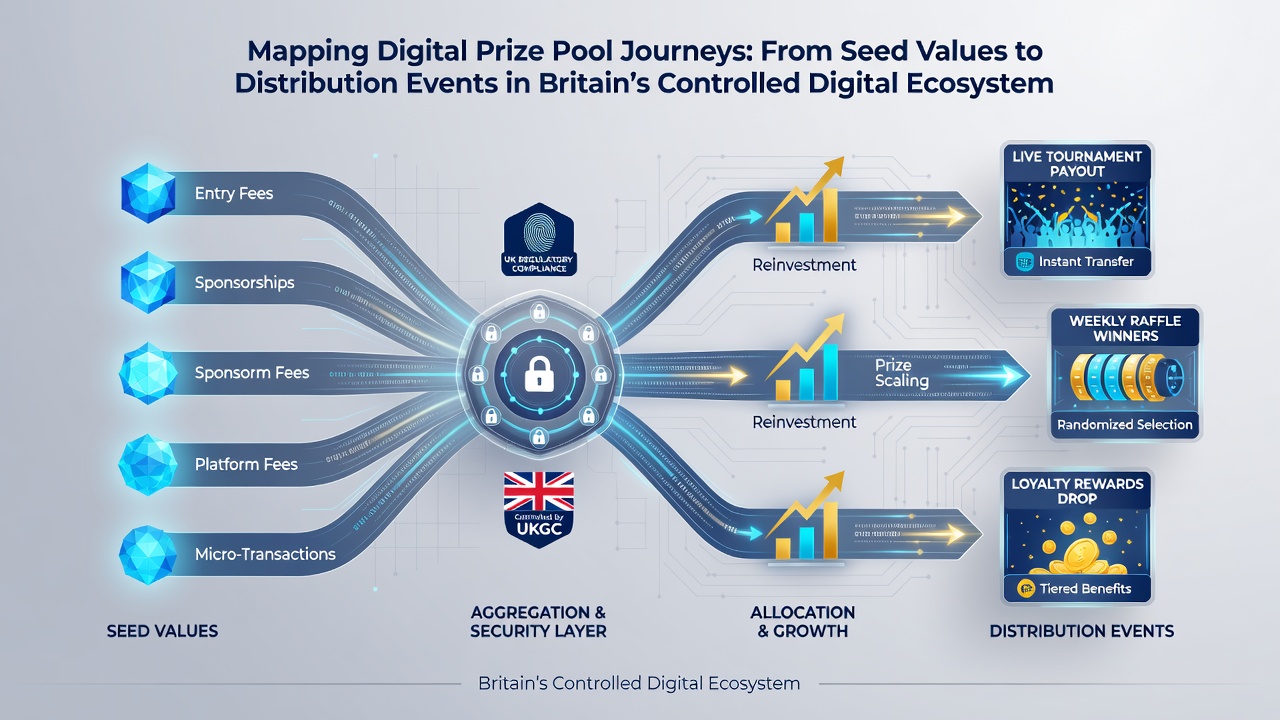
What's notable is how network configurations influence growth rates, since interconnected systems across multiple operators can accelerate pool expansion through shared player bases, whereas standalone machines depend solely on local traffic. Figures reveal that average monthly contributions per machine often fall between 200 and 800 pounds depending on stake levels, and these numbers feed into predictive models used by system administrators to forecast upcoming distribution windows. External verification comes from organizations such as the European Gaming and Betting Association, which publishes aggregated statistics on progressive systems across regulated European markets, and a separate study from the Responsible Gambling Council in Canada highlights similar mapping techniques applied to North American jurisdictions for comparative analysis.
Distribution Events and Payout Protocols
Distribution events activate when specific reel combinations align on progressive games, at which point the accumulated pool transfers to the winning account through automated banking interfaces that comply with financial oversight requirements. Protocols require immediate notification to regulatory bodies and system auditors, ensuring the full amount reaches the recipient without intermediate deductions beyond those pre-approved in game rules. Multiple studies indicate that most distribution events occur during evening peak hours when player volumes increase the probability of triggering combinations, and records from 2026 show an average of 12 to 18 major payouts per month across the broader British network.
Take one operator who documented a sequence where a seeded pool of 50,000 pounds grew through steady contributions to exceed 250,000 pounds before distribution, illustrating how the journey from seed to event creates measurable value over time. System logs capture every variable including bet size, contribution rate, and elapsed time, which allows analysts to reconstruct complete pathways for compliance reviews or performance evaluations. Those who've examined these records find recurring patterns where certain game themes experience faster growth due to higher average stakes, whereas others maintain steadier but slower accumulation.
Regulatory Oversight and Data Transparency
Britain's controlled markets enforce detailed reporting on prize pool movements, and licensed operators must submit periodic summaries that detail seed origins, contribution volumes, and distribution outcomes to maintain operational approval. This oversight extends to third-party testing agencies that verify software integrity and confirm that mapping processes align with approved mathematical models. Evidence suggests that enhanced digital tracking introduced in recent years has reduced discrepancies between expected and actual pool levels, creating clearer audit trails from initial seeding through final payouts.
Patterns observed across multiple venues show that transparent mapping also supports responsible gaming initiatives by providing players with visible information on current pool sizes and historical distribution frequencies. September 2026 marked the rollout of enhanced data dashboards that presented these journeys in accessible formats, allowing both operators and oversight entities to monitor trends without compromising system security.
Conclusion
The complete mapping of digital prize pool journeys from seed values to distribution events reveals a tightly managed process within Britain's regulated reel markets, where every stage from initial funding through contribution growth and eventual payout follows documented protocols backed by technological and regulatory safeguards. Data continues to demonstrate consistent adherence to these pathways, and ongoing refinements in reporting standards ensure that the lifecycle of each pool remains traceable and verifiable across the sector.