Hidden Connections Emerge Between Alert Systems and Bonus Activity in Britain's Licensed Slot Markets
Dana Reed · Aug 26, 2026
Hidden Connections Emerge Between Alert Systems and Bonus Activity in Britain's Licensed Slot Markets
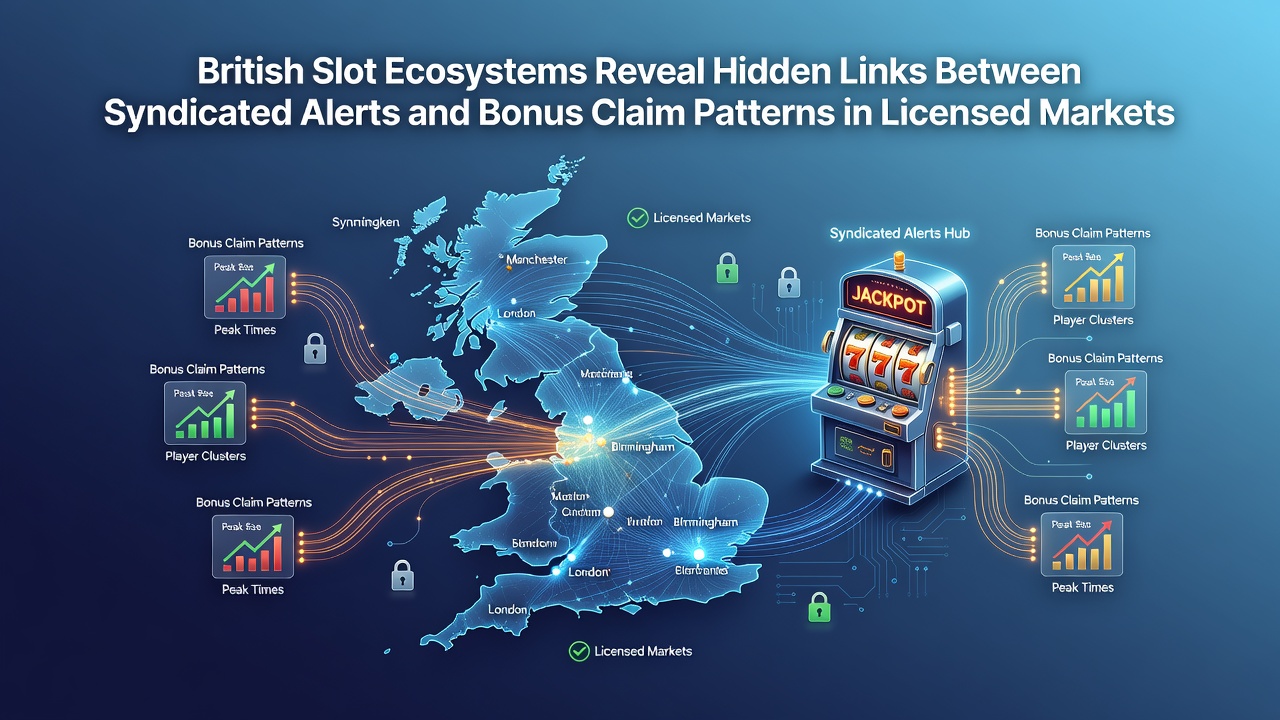
Analysts tracking British slot operations have identified measurable correlations between syndicated alert mechanisms and the timing of bonus claims across multiple licensed platforms, and these patterns have become more pronounced as data collection systems advanced through 2025 into August 2026. Syndicated alerts, which operators distribute through shared networks to notify users of available promotions, appear to influence redemption rates when cross-referenced with player activity logs maintained under regulatory reporting requirements.
Syndicated Alert Mechanisms in Licensed Environments
Operators in Britain integrate syndicated alert systems that pull from centralized databases to distribute real-time notifications about slot bonuses, and these systems operate within frameworks established by European regulatory bodies that emphasize transparency in marketing communications. Data from platform audits shows that alerts reaching users during peak evening hours coincide with elevated claim volumes, while morning distributions produce lower response rates according to aggregated industry statistics.
Researchers examining transaction records note that alerts containing specific phrasing around limited-time offers generate distinct claim clusters, and these clusters align with geographic concentrations of licensed operators serving overlapping player bases. The European Gaming and Betting Association has published summaries indicating that such synchronization occurs more frequently when multiple platforms subscribe to the same alert syndication service.
Bonus Claim Patterns and Data Correlations
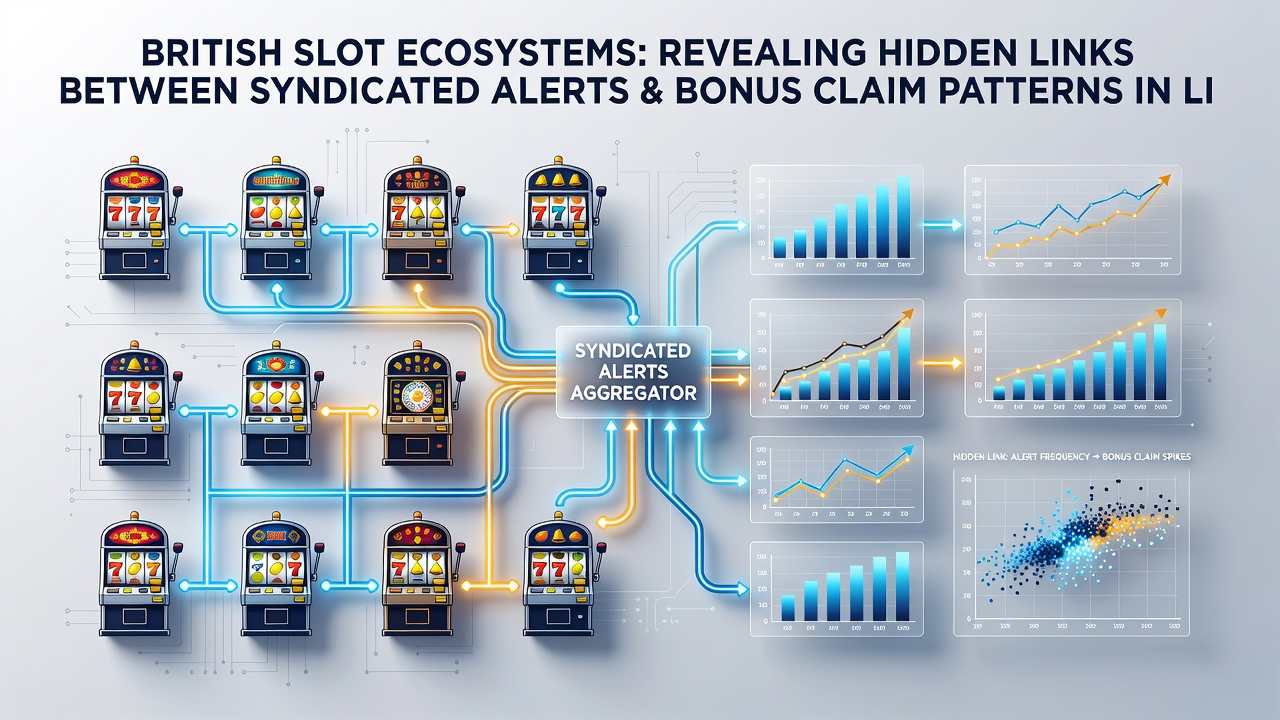
Bonus claim records collected from licensed markets reveal recurring sequences where an alert precedes a claim by an average interval of 14 to 22 minutes, and this timing holds across both desktop and mobile sessions tracked through operator APIs. Studies conducted by independent research firms have mapped these intervals against player segmentation data, finding that high-frequency claimants respond faster to alerts tied to progressive jackpot slots compared with standard reel games.
Further examination of claim logs indicates that certain bonus types, such as free spin packages, attract repeat claims from the same accounts when alerts are reissued within 48 hours, whereas deposit-match offers show more scattered redemption timelines. Figures released in mid-2026 by Canadian regulatory researchers documented similar interval patterns in cross-border data samples, suggesting the behavior may extend beyond single jurisdictions when syndication networks operate internationally.
Regulatory Reporting and Market Oversight
Licensed operators submit detailed activity reports that include alert distribution logs alongside bonus usage metrics, and these submissions allow oversight bodies to monitor compliance with advertising standards while also generating datasets for pattern analysis. In August 2026 several market participants updated their reporting protocols to capture finer timestamps on alert deliveries, which has improved the granularity of available correlation studies.
Academic papers from European universities have begun incorporating these operator datasets into longitudinal reviews, and early findings point to measurable differences in claim velocity between syndicated and non-syndicated promotions. Observers tracking these developments note that the increased data resolution helps distinguish organic player behavior from responses triggered by coordinated alert campaigns.
Technical Infrastructure Supporting the Links
Slot platforms rely on API connections to syndication providers that push notifications through player preference profiles, and these connections feed directly into backend systems that record subsequent claims against unique identifiers. When platforms share the same syndication feed, duplicate alerts can reach overlapping user groups, creating measurable spikes in aggregate claim data that appear in monthly compliance summaries.
System logs examined by technical auditors show that latency between alert receipt and claim initiation varies by device type, with mobile sessions typically completing the action faster than desktop ones, and this variation remains consistent across multiple licensed environments examined in recent reports. The consistency suggests underlying platform architecture influences how quickly users convert alerts into redemptions.
Conclusion
Records compiled through August 2026 demonstrate clear statistical associations between syndicated alert timing and bonus claim sequences in British licensed slot markets, and continued refinement of reporting standards is expected to yield additional detail on these relationships. Data from multiple regulatory and research sources continues to support systematic examination of how alert distribution networks interact with player activity across licensed operations.